Common Skiing fractures & how Hydrotherapy enhances recovery

Why Skiers Are Prone to Fractures
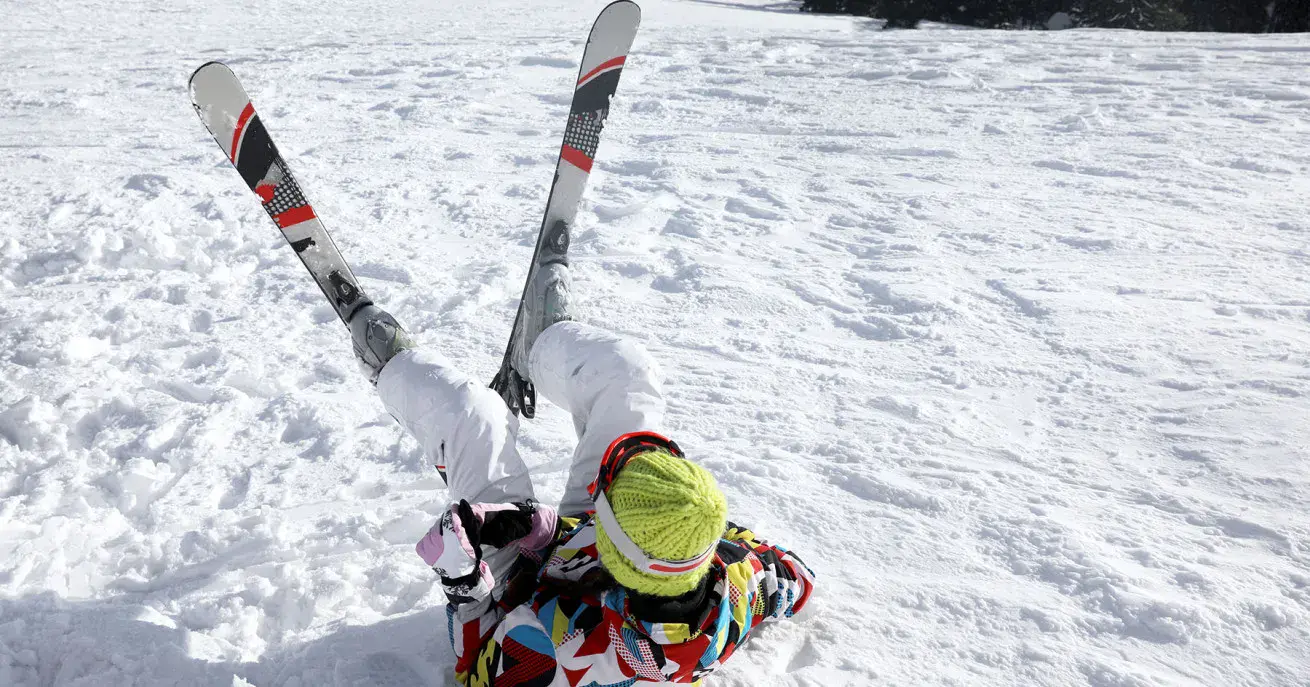
Skiing is an exhilarating sport that demands speed, agility, and balance, but it also carries a high risk of traumatic injuries, particularly fractures. Whether you're carving down a steep slope or navigating powder, the forces on your bones, ligaments, and joints can be immense.
Fractures in skiing often occur due to:
- High-speed falls resulting in twisting or direct impact injuries
- Binding release failures, causing excessive force on the lower limbs
- Collisions with other skiers or objects (e.g., trees, rocks, barriers)
- Landing incorrectly from jumps, leading to axial loading fractures
- Overuse and fatigue fractures from repeated stress on the bones
Hydrotherapy is a powerful rehabilitation tool for skiers recovering from fractures. It allows early movement without impact, strengthens muscles while reducing joint load, and accelerates return to sport.
Common Skiing Fractures That Benefit from Hydrotherapy
1. Tibial Plateau Fracture (Impact & Rotation Injury)
- Cause: A high-energy impact during a fall, often combined with knee twisting. Can also result from a direct collision.
- Why It’s Dangerous: Affects the weight-bearing surface of the knee, potentially causing long-term mobility issues.
- How Hydrotherapy Helps:
- Early weightless movement reduces stiffness while preserving knee function.
- Quadriceps reactivation without joint compression prevents muscle atrophy.
- Proprioception training in water improves knee stability before full weight-bearing.
- Deep-water running maintains cardiovascular fitness without stress.
Best Hydro Exercises:
- Buoyancy-assisted knee flexion & extension
- Shallow-water squats
- Underwater step-ups & lateral lunges
2. Distal Tibia/Fibula Fractures (Boot Top Fractures)
- Cause: A sudden twisting force when the ski doesn’t release or when the ski boot acts as a lever against the tibia.
- Why It’s Dangerous: Often requires surgical fixation (ORIF) and can result in ankle stiffness and muscle atrophy.
- How Hydrotherapy Helps:
- Reduces weight-bearing stress on the tibia/fibula, allowing early mobilisation.
- Restores ankle dorsiflexion without risk of overloading the healing fracture.
- Strengthens the kinetic chain (calves, quads, hamstrings) safely.
Best Hydro Exercises:
- Hydrostatic resistance ankle flexion/extension
- Deep-water walking to retrain gait mechanics
- Toe and heel raises underwater
3. ACL Avulsion Fracture (Ligament-Pull Fracture)
- Cause: Sudden deceleration or awkward landing, where the ACL tears off a piece of bone from the tibia.
- Why It’s Dangerous: Unlike a standard ACL tear, this involves bone healing, delaying rehab.
- How Hydrotherapy Helps:
- Restores knee mobility safely without excessive stress.
- Reduces impact forces while retraining dynamic stability.
- Enables strength-building for quads and hamstrings in a controlled environment.
Best Hydro Exercises:
- Deep-water cycling movements
- Floating single-leg balance drills
- Resistance-band kicking drills underwater
4. Clavicle Fracture (Collarbone Break from a Fall)
- Cause: Falling directly onto the shoulder or outstretched arm.
- Why It’s Dangerous: Limits upper-body mobility, making it difficult to pole, carry skis, or balance.
- How Hydrotherapy Helps:
- Provides a safe way to regain shoulder mobility without gravity-induced pain.
- Improves scapular control & posture for better skiing biomechanics.
- Encourages full-body coordination through water resistance.
Best Hydro Exercises:
- Gentle shoulder flexion/extension underwater
- Water-assisted scapular retraction exercises
- Underwater resisted arm movements for strength
5. Wrist & Scaphoid Fracture (normally due to a fall On Outstretched Hand)
- Cause: Falling while holding ski poles, leading to fractures of the wrist or scaphoid bone.
- Why It’s Dangerous: Can limit grip strength and wrist mobility, affecting pole control.
- How Hydrotherapy Helps:
- Reduces pain & stiffness in wrist movements.
- Encourages full upper-body mobility without strain.
- Improves hand-eye coordination and grip retraining in a low-impact setting.
Best Hydro Exercises:
- Wrist circles & flexion/extension movements underwater
- Floating resistance grip exercises with foam dumbbells
- Underwater poling mechanics for sport-specific retraining
Hydrotherapy: The Ultimate Recovery Tool for Skiers
Skiers recovering from fractures need a fast, effective, and joint-friendly rehab plan. Hydrotherapy offers:
- Faster Return to Movement: Early rehab reduces stiffness & muscle loss.
- Pain-Free Strength Training: Water resistance builds muscle without harmful impact.
- Improved Balance & Proprioception: Essential for skiing stability.
- Joint-Friendly Cardiovascular Conditioning: Maintain fitness without running or impact.
- Mental & Emotional Boost: The freedom to move in water restores confidence & motivation.
For any skier facing a long rehab process, hydrotherapy is not just an option—it’s a game-changer.
Ready to Get Back on the Slopes?
If you’re recovering from a skiing fracture, a structured hydrotherapy program can cut your recovery time and get you back to peak performance.