Hydrotherapy for Tibial Plateau fracture rehabilitation: a game-changer for active individuals
Suffering a tibial plateau fracture is a devastating experience, especially for active individuals who are used to movement, sport, and high levels of fitness. The sudden loss of mobility, strength, and independence can feel overwhelming. But there’s good news, rehabilitation in water can significantly accelerate recovery while protecting your healing knee.
Why Hydrotherapy is essential after a Tibial Plateau fracture
Hydrotherapy offers a pain-free, weight-free, and movement-enhancing approach to recovery. It allows you to regain mobility, build strength, and stay engaged in movement far earlier than traditional land-based physiotherapy. If you’re someone who thrives on staying active, hydrotherapy can be the key to returning to sport and performance with better joint function and less stiffness.
Phase 1: The Early Healing Phase (Weeks 2-6) – Mobility & Pain Relief
The Biggest Challenge:
- You are non-weight bearing (NWB) or touch-weight bearing (TWB), which means you can’t walk properly.
- Your knee is stiff, and you might be feeling frustrated and disconnected from your usual active lifestyle.
- You might experience pain, swelling, and muscle inhibition, leading to rapid muscle loss.
How Hydrotherapy Helps:
- Weightless Movement: The buoyancy of water allows you to move your knee without stressing the healing fracture, preventing excessive stiffness.
- Pain-Free ROM (Range of Motion): Water reduces joint load by up to 90%, making movement easier and more comfortable.
- Early Quadriceps Activation: Being submerged in water allows neuromuscular activation, helping prevent long-term muscle shutdown (arthrogenic inhibition).
- Swelling Reduction: The hydrostatic pressure of water naturally compresses the limb, reducing swelling more effectively than dry-land elevation alone.
- Mental Well-being: Hydrotherapy gives patients a sense of freedom and mobility, improving mental health and motivation.
Key Hydrotherapy Exercises (Phase 1)
- Buoyancy-Assisted Knee Movements: Gentle flexion & extension to improve ROM without stressing the fracture.
- Hydrostatic Pressure Walking (Deep Water, Non-Weight Bearing): Helps maintain normal gait mechanics even while NWB on land.
- Aquatic Straight Leg Raises: Activates quadriceps without stress on the knee joint.
- Flutter Kicks (Light Resistance): Engages glutes, hamstrings, and core while protecting the knee.
- Hip and Core Stability Work (Side Kicks, Aqua Jogging without Foot Contact): Strengthens the kinetic chain while offloading the tibial plateau.
The Goal of Phase 1 Hydrotherapy: To keep you moving, maintain muscle engagement, and ensure that your knee stays mobile and strong while healing.
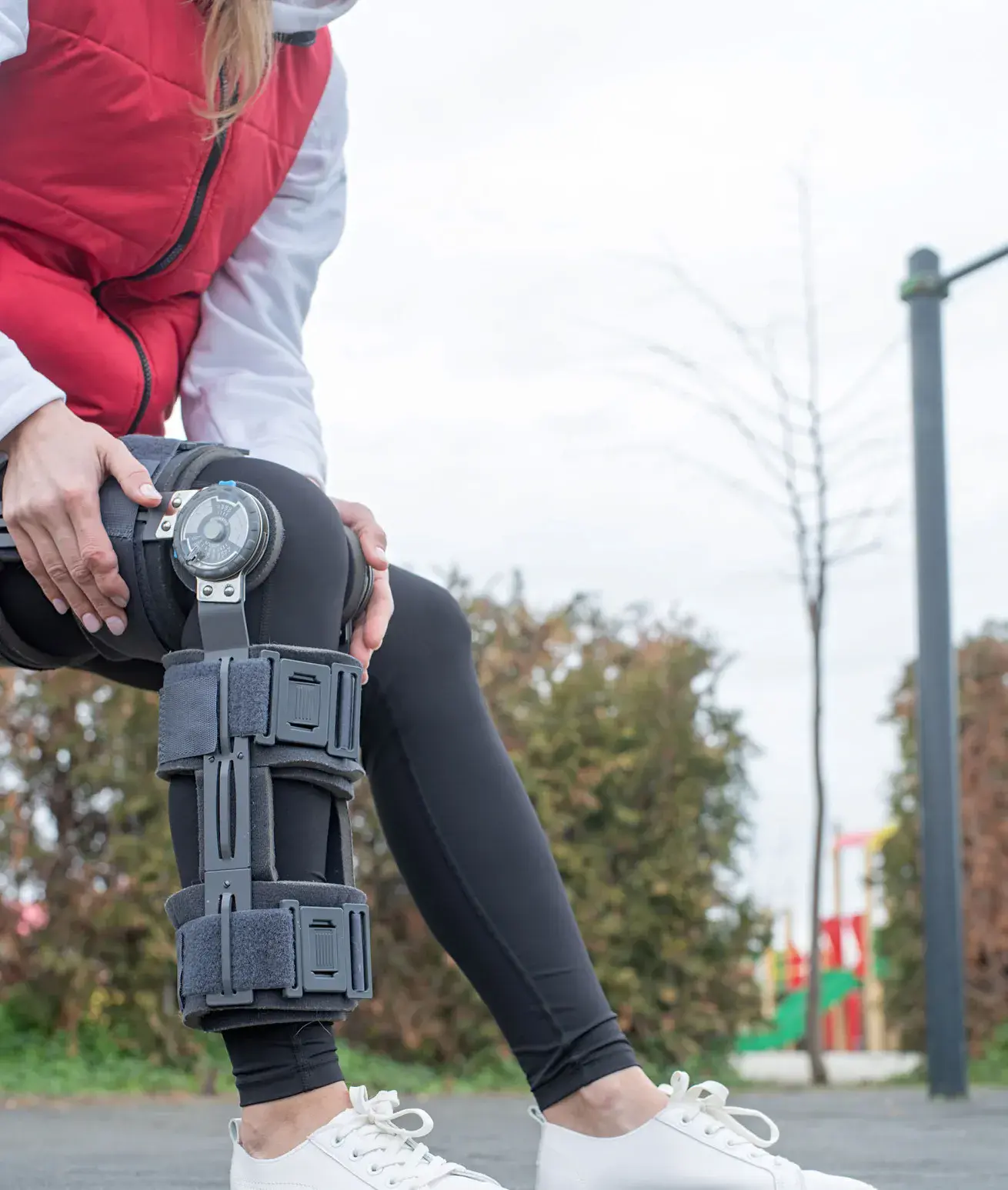
Phase 2: Strength & Controlled Loading (Weeks 6-12) – Rebuilding Strength & Stability
The Biggest Challenge:
- You are progressing to partial or full weight-bearing, but your leg feels weak, and you may have a limp.
- Your knee is still stiff, and you feel like you have lost a lot of strength.
- You might be fearful of walking normally or using your leg for sport-based activities.
How Hydrotherapy Helps:
- Early Gait Training Without Risk: Water supports your body weight, allowing you to practice walking and squatting in a safe, controlled environment.
- Strength Without Impact: Resistance in water challenges your muscles without stressing your healing joint, preventing muscle loss.
- Controlled Knee Bending (Flexion Progression): Water allows greater ROM without pain, speeding up recovery.
- Proprioception & Balance Training: Since your leg has been inactive for weeks, water therapy helps retrain neuromuscular control before full weight-bearing on land.
Key Hydrotherapy Exercises (Phase 2)
- Shallow Water Squats: The buoyancy reduces stress on the joint while strengthening the quads, glutes, and hamstrings.
- Underwater Step-Ups: Helps regain single-leg strength without risk of jarring impact.
- Aqua Jogging in Chest-Deep Water: Encourages normal gait mechanics and increases cardiovascular fitness.
- Side Lunges & Lateral Stability Work: Strengthens the stabilising muscles, preparing the knee for return to running and sport.
- Resistance Band Kicking & Core Work: Builds dynamic lower-body strength in a safe, supported way.
The Goal of Phase 2 Hydrotherapy: Build the foundation of strength, stability, and confidence so you can transition back to sport-specific rehab faster.
Why Hydrotherapy is a Game-Changer for Athletes & Active Individuals
Many patients feel disconnected from their active lifestyle after a serious fracture. Traditional land-based rehab is slow and frustrating, but hydrotherapy bridges the gap between being immobilised and returning to full function.
- Faster Recovery: You begin functional movement earlier, reducing long-term stiffness and complications.
- Less Pain, More Movement: Water-based rehab allows pain-free, full-ROM movement before land therapy does.
- Stronger Return to Sport: The progressive resistance of water builds functional muscle strength while protecting the joint.
- Psychological Boost: The ability to move freely and exercise again reduces anxiety and improves motivation.
For anyone who thrives on movement, hydrotherapy isn’t just helpful—it’s essential for a complete and confident return to performance.
If you’re struggling with a tibial plateau fracture recovery and feeling stuck, hydrotherapy can be the missing link in getting you back to the sport and activities you love.
Next Steps: Ready to Start Hydrotherapy?
If you or someone you know is recovering from a tibial plateau fracture, getting into the water as soon as possible can dramatically improve recovery outcomes.
Hydrotherapy is not just a rehab tool, it’s a performance accelerator. Let’s get you moving again.